Acupuncture & Chinese Medicine
Acupuncture in Washington DC: A Modern, Evidence-Based Approach to Healing
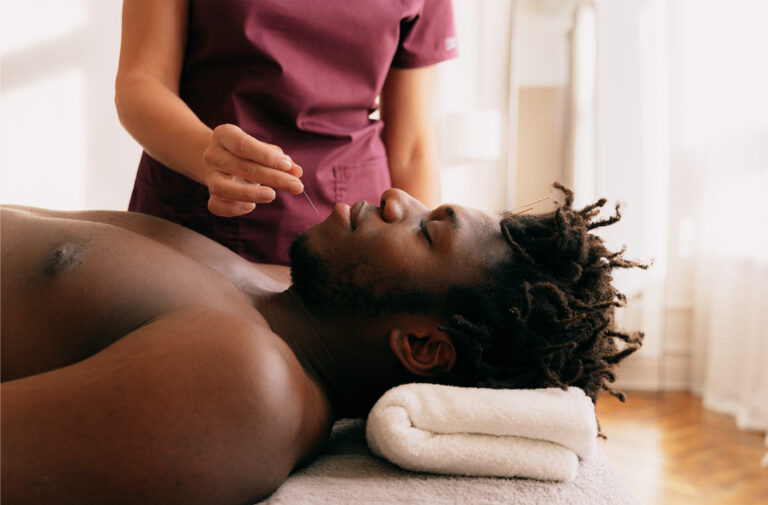
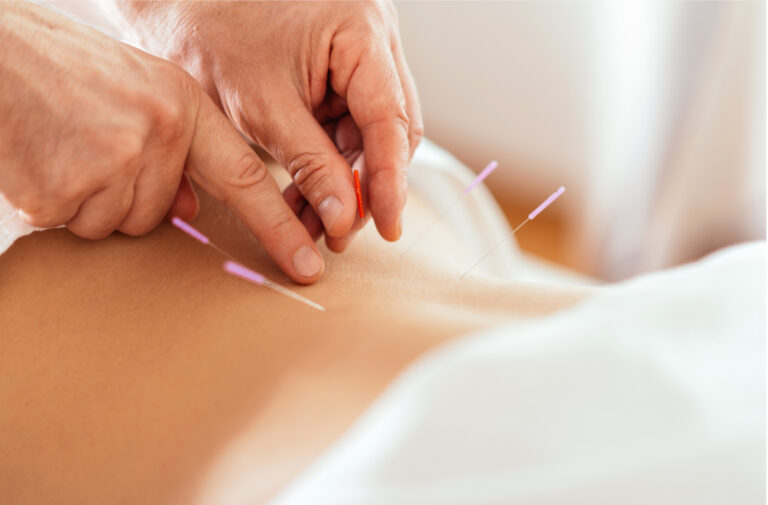
Acupuncture is a proven medical therapy used in major healthcare systems around the world and supported by a growing body of scientific research. Acupuncture is designed to address both acute symptoms and long-standing health concerns.
At Whole Health Associates, acupuncture is often combined with complementary therapies such as Chinese herbal medicine, Stemwave, and medical- grade red light therapy to enhance results—especially for pain, inflammation, and recovery.
Unlike treatments that simply mask symptoms, acupuncture focuses on identifying and correcting the root cause of imbalance. Patients seeking an acupuncturist in Washington DC often come to us for relief from chronic pain, stress and anxiety, hormonal imbalances, digestive issues, sleep disturbances, and immune dysfunction.
How does Chinese Herbal Medicine work? Often used together with acupuncture, Chinese Medicine can improve heath outcomes more fully.
Think of Acupuncture and Chinese Medicine as a wonderful cake- Acupuncture acts as the “oven”—ensuring your systems are functioning properly and working at the right temperature. Chinese herbal medicine provides the high-quality ingredients, carefully selected and combined to nourish, restore, and strengthen the body. When both the “oven” and the “ingredients” are working together, the result is the best possible environment for healing, resilience, and long-term wellness.
Led by Dr. Amy Lewis, Whole Health Associates offers a uniquely integrative approach that blends traditional Chinese medicine with modern functional and medical insight—helping patients who haven’t fully responded to conventional care finally move forward.
Ready to experience what acupuncture can do for your body?
Schedule your appointment today or call our office to learn more.